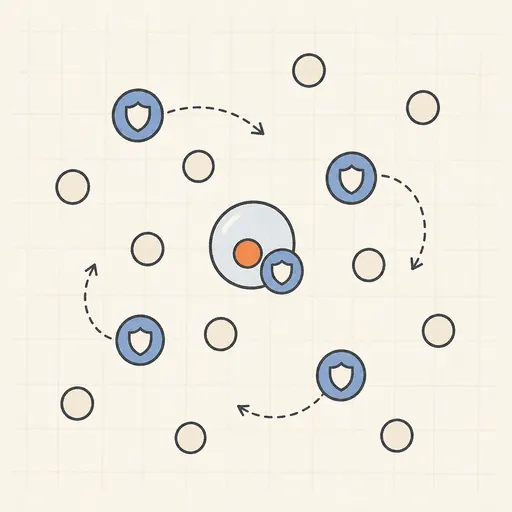
Immune System vs Infection
This agent-based model pits a spreading infection against an immune response inside a patch of tissue. Pathogens drift, divide on a timer and infect nearby healthy cells; immune cells patrol, chase pathogens they sense and destroy them, and their numbers grow as the infection recruits more of them. The outcome hangs on a race between how fast the pathogen multiplies and how fast the immune response ramps up and finds it. Seed an infection with a click, tune the pathogen growth rate, immune speed, detection range and recruitment, and watch the population curves of healthy cells, pathogens and immune cells rise and fall as the body either clears the infection or loses.
Runs 100% in your browser — simulations are computed locally on your device.
Read the full guide to this tool
Notes
- The result is a race between exponential pathogen growth and the immune ramp-up: catch it early and the response clears it, fall behind and the pathogen wins — the same logic behind why early treatment matters.
- Immune cells use local sensing to chase pathogens, so detection range and speed matter as much as sheer numbers, echoing how real immune cells follow chemical gradients.
- This is a caricature, not immunology: it captures the predator–prey-style dynamics of infection and response, not the real molecular machinery of antibodies and T-cells.
- Runs 100% in your browser — simulations are computed locally on your device.
Related tools
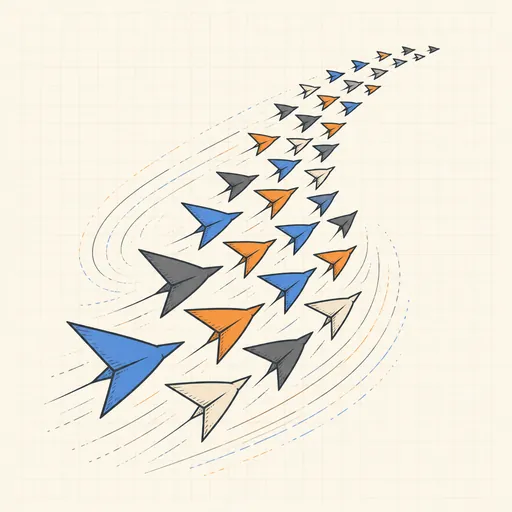
Boids Flocking Simulator
Watch lifelike flocking emerge from three local rules with Reynolds’ boids model.
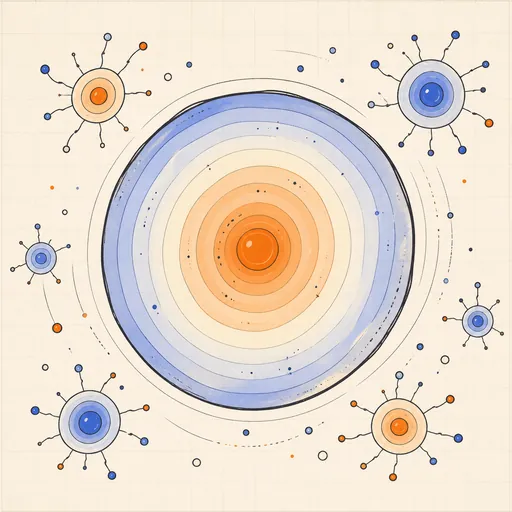
Lenia Continuous Life
Grow smooth self-organising lifeforms like the gliding Orbium in a continuous cellular automaton.
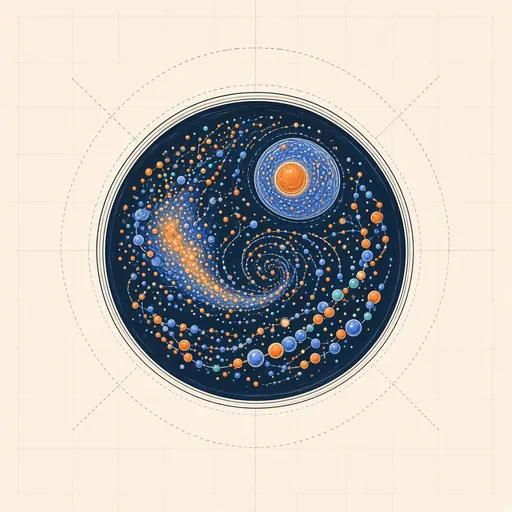
Particle Life
A few coloured species and one table of likes and dislikes — and cells, chains and chasing creatures emerge by themselves.
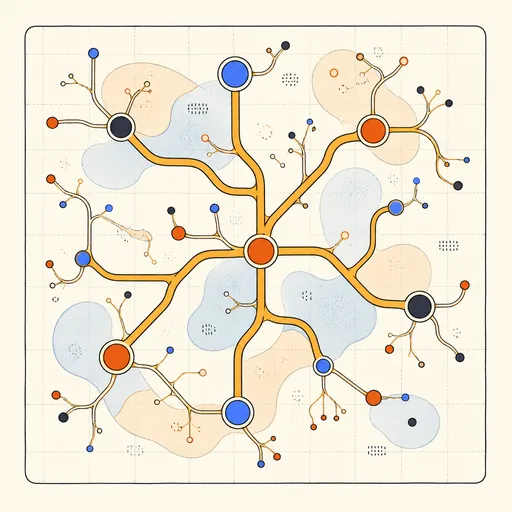
Slime Mould Networks
Watch millions of Physarum agents self-organise into living transport networks.
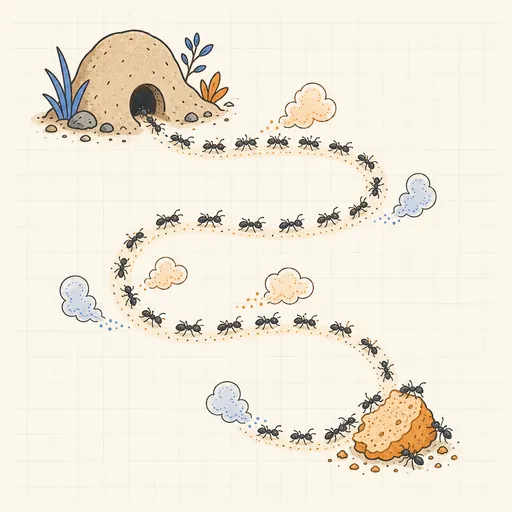
Ant Colony Pheromone Trails
Watch ants self-organise foraging highways with evaporating pheromone trails.
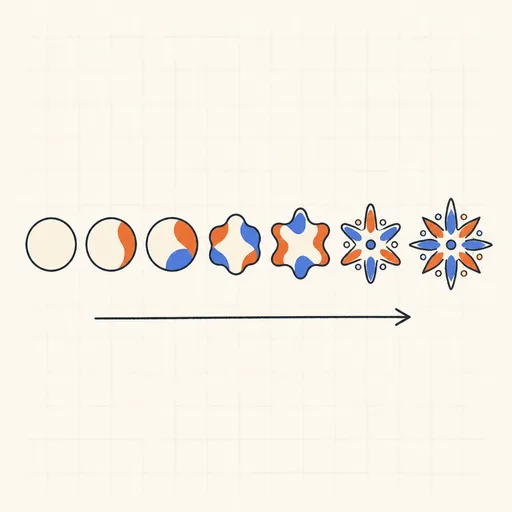
Evolving Creatures
See natural selection reshape a population of foraging creatures generation by generation.