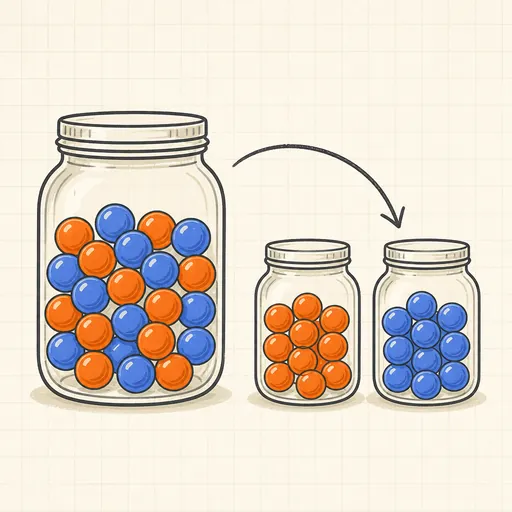
Genetic Drift Simulator
Even with no natural selection, the frequency of a gene variant (allele) drifts up and down purely by the luck of which individuals happen to reproduce. The Wright–Fisher model captures this: each generation draws a whole new population by sampling alleles at random from the previous one. This tool runs many independent populations side by side from the same starting frequency and plots each one’s allele frequency over the generations. Watch the lines fan out and slam into 0 (the allele is lost) or 1 (it is fixed), and add selection or mutation to see how they fight or feed the randomness. Smaller populations drift far faster.
Runs 100% in your browser — simulations are computed locally on your device.
Read the full guide to this tool
Notes
- Each generation is a fresh random sample of 2N alleles drawn from the parents, so allele frequencies wander even when every variant is equally fit.
- Drift is stronger in small populations: the smaller N is, the sooner alleles reach fixation (frequency 1) or loss (frequency 0), permanently reducing genetic diversity.
- Selection biases the sampling toward the fitter allele and mutation reintroduces lost variants, but in small populations chance can still overpower a mild selective advantage.
- Runs 100% in your browser — simulations are computed locally on your device.
Related tools
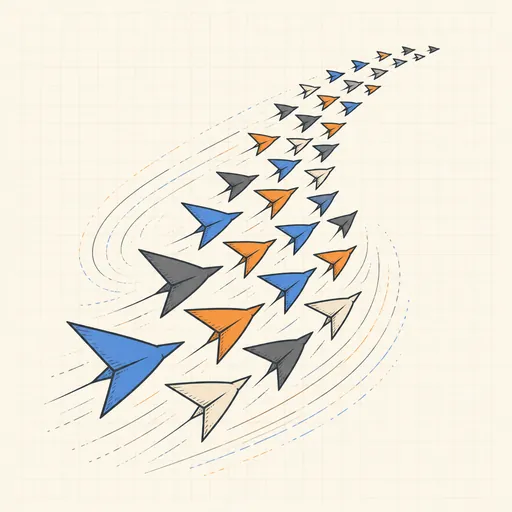
Boids Flocking Simulator
Watch lifelike flocking emerge from three local rules with Reynolds’ boids model.
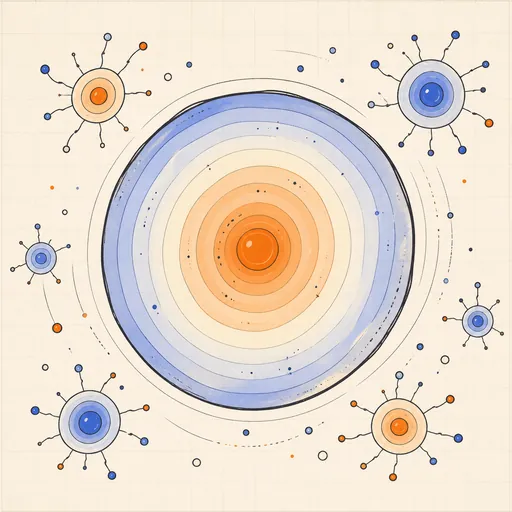
Lenia Continuous Life
Grow smooth self-organising lifeforms like the gliding Orbium in a continuous cellular automaton.
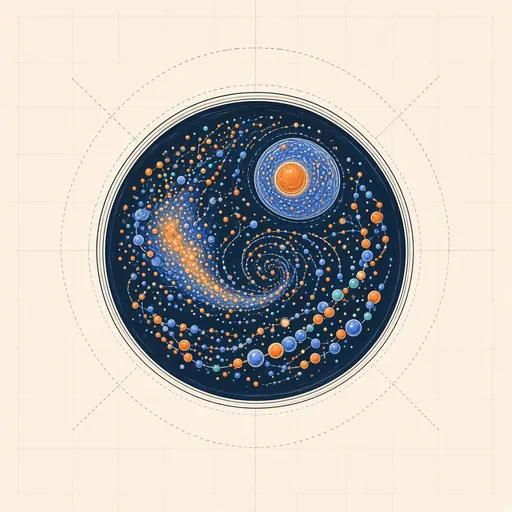
Particle Life
A few coloured species and one table of likes and dislikes — and cells, chains and chasing creatures emerge by themselves.
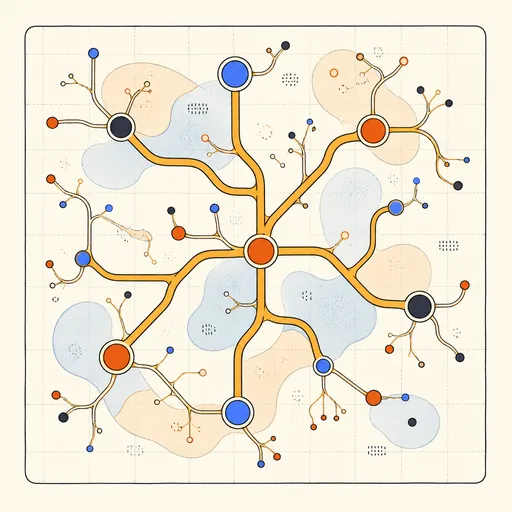
Slime Mould Networks
Watch millions of Physarum agents self-organise into living transport networks.
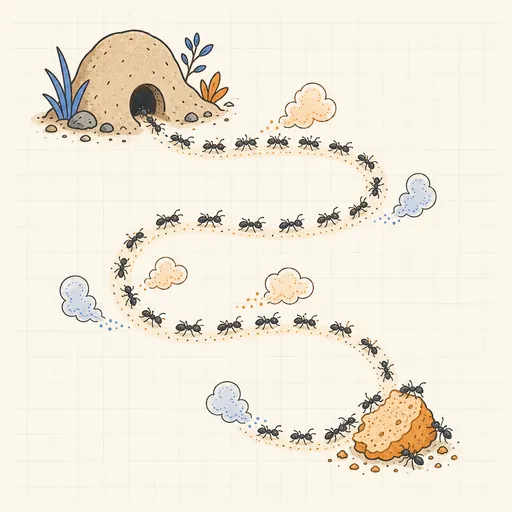
Ant Colony Pheromone Trails
Watch ants self-organise foraging highways with evaporating pheromone trails.
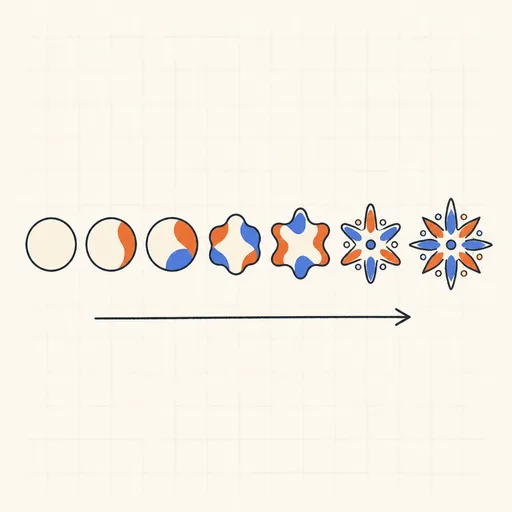
Evolving Creatures
See natural selection reshape a population of foraging creatures generation by generation.