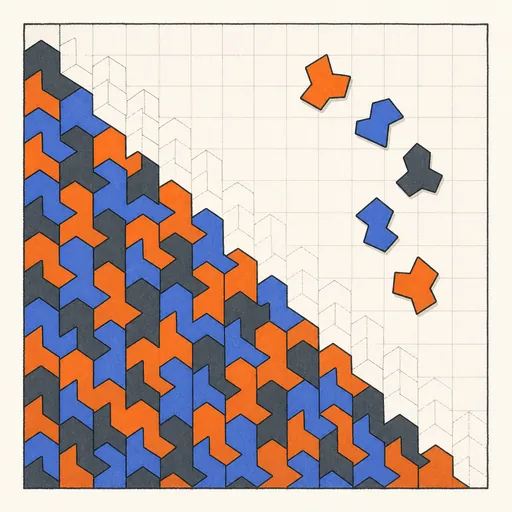
Wave Function Collapse
Wave Function Collapse is a procedural-generation algorithm that assembles a tile pattern obeying local matching rules, borrowing its name from the quantum image of a superposition collapsing to one state. Every grid cell starts as a superposition of all possible tiles. The solver repeatedly finds the least certain cell (the one with the fewest options left), "collapses" it to a single tile at random, then propagates the consequences: neighbours that can no longer connect drop those options, which constrains their neighbours in turn, a ripple of shrinking possibilities. Watch the wave of decisions sweep across the grid until every cell is settled into one seamless design. Pick a tile set (circuit, knots, terrain), set the grid size and watch it solve, occasionally hitting a contradiction and restarting.
Runs 100% in your browser — simulations are computed locally on your device.
Read the full guide to this tool
Notes
- The rule is minimum-entropy first: always collapse the most-constrained cell next, because guessing where you have the fewest choices is least likely to paint you into a corner.
- Propagation is arc-consistency, the same constraint-satisfaction step used by Sudoku solvers: removing a tile option from one cell can cascade through the whole grid before the next guess.
- A guess can still lead to a dead end where some cell has no legal tile left; the solver detects the contradiction and backtracks or restarts, which is why generation sometimes visibly starts over.
- Runs 100% in your browser — simulations are computed locally on your device.
Related tools
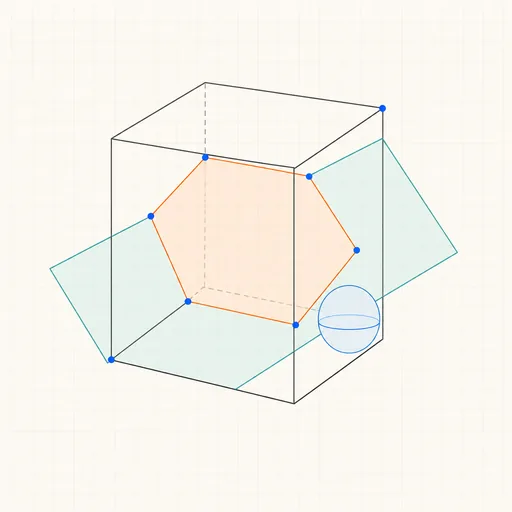
3D Geometry Board
Points, lines, planes, spheres and polyhedra on an orbiting camera — slice solids with planes, unfold nets, drop the Dandelin spheres into a cone and drag everything.
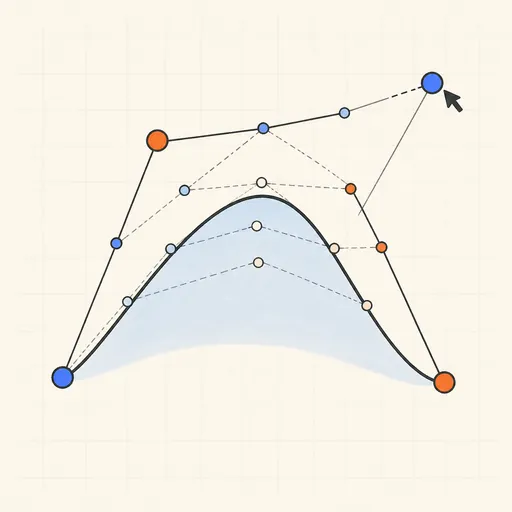
Bézier Curve Playground
Drag control points and watch De Casteljau’s algorithm construct a Bézier curve step by step.
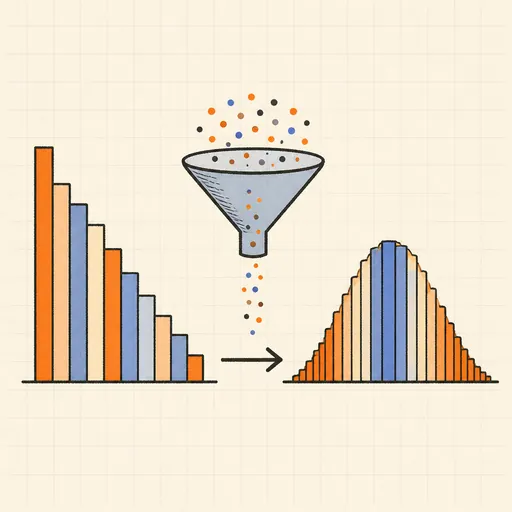
Central Limit Theorem Demo
Sample from any lopsided distribution and watch the averages pile up into a bell curve.
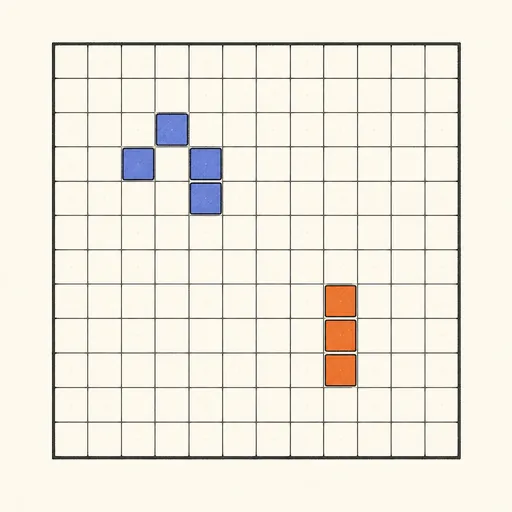
Conway’s Game of Life
Paint cells and watch Conway’s cellular automaton breed gliders, guns and oscillators.
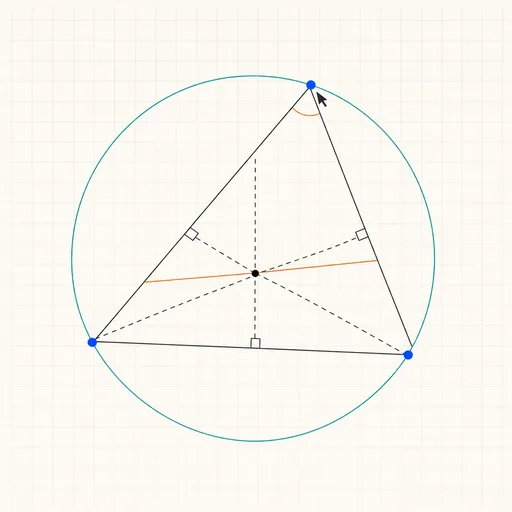
Dynamic Geometry Board
Construct with points, lines, circles and transformations, then drag anything — the construction stays true, and a checker tells you which relations are theorems.
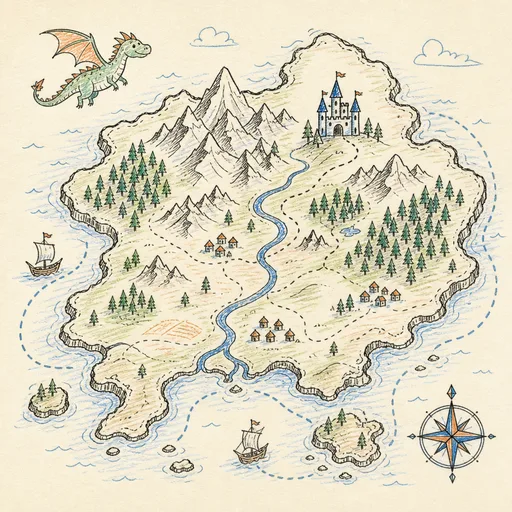
Fantasy Map Generator
Roll a seed and get a continent: coastlines, mountains, rivers, biomes and named towns, ready for your campaign.