Random Walk Explorer
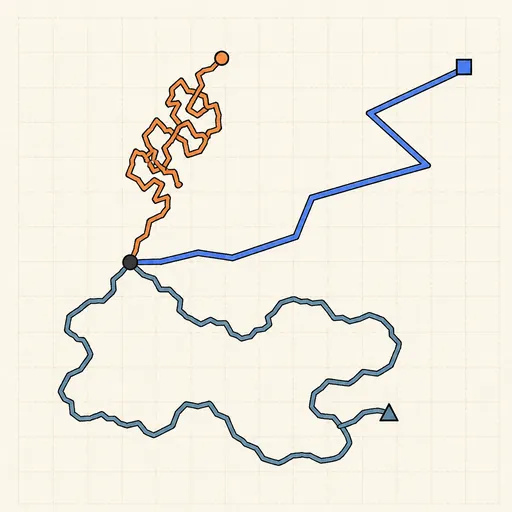
A random walk takes one random step after another, and the simple rules hide deep behaviour. This tool runs several flavours at once. A plain 2D walk spreads out as a diffusing cloud whose typical distance grows as the square root of the number of steps. A Lévy flight mixes in rare long jumps and covers ground completely differently, the pattern real foraging animals use. A self-avoiding walk that never crosses its own path grows faster and can trap itself. Run many walkers at once to see the cloud spread, watch a single path meander, and track how far they get versus step count on a live plot.
Runs 100% in your browser — simulations are computed locally on your device.
Read the full guide to this tool
Notes
- For an ordinary walk the mean squared distance grows in proportion to the number of steps, so typical distance scales as √n — slow, diffusive spreading.
- Lévy flights draw step lengths from a heavy-tailed distribution, so occasional huge jumps make them spread far faster than a normal walk and explore new ground efficiently.
- A self-avoiding walk cannot revisit a cell, so it swells faster than a free walk and can paint itself into a corner with no legal move left — a model for polymer chains.
- Runs 100% in your browser — simulations are computed locally on your device.
Related tools
3D Geometry Board
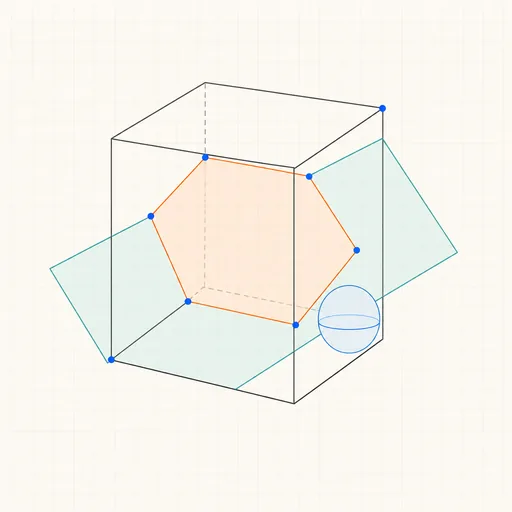
Points, lines, planes, spheres and polyhedra on an orbiting camera — slice solids with planes, unfold nets, drop the Dandelin spheres into a cone and drag everything.
Bézier Curve Playground
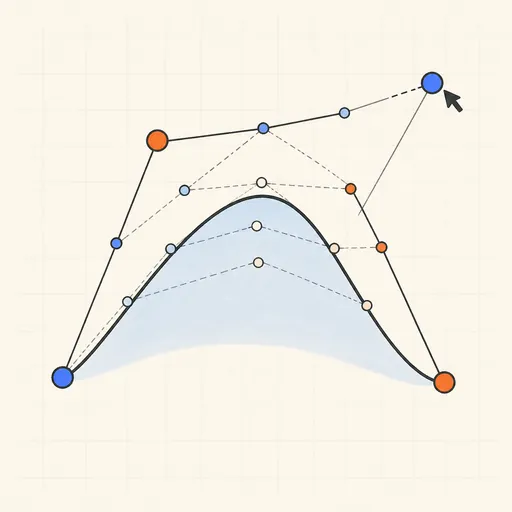
Drag control points and watch De Casteljau’s algorithm construct a Bézier curve step by step.
Central Limit Theorem Demo
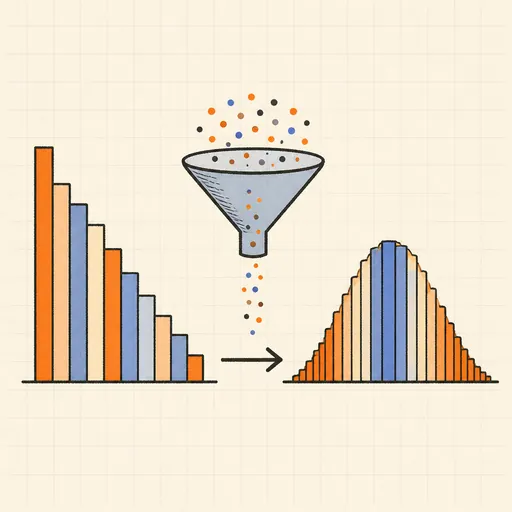
Sample from any lopsided distribution and watch the averages pile up into a bell curve.
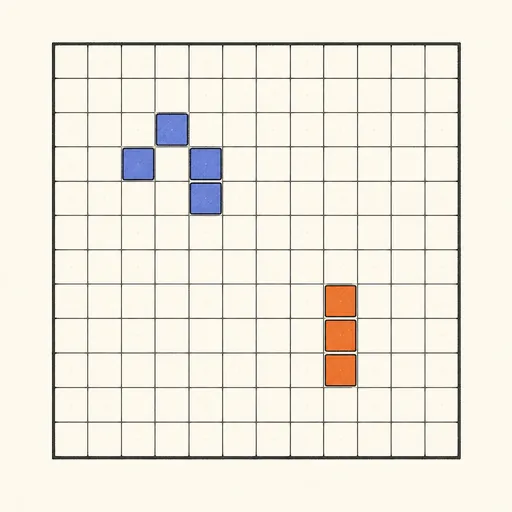
Conway’s Game of Life
Paint cells and watch Conway’s cellular automaton breed gliders, guns and oscillators.
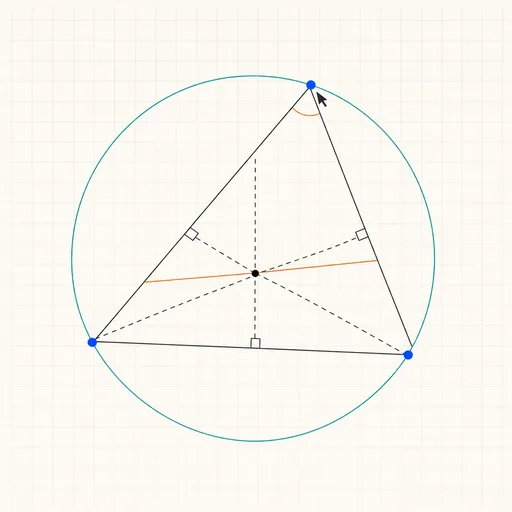
Dynamic Geometry Board
Construct with points, lines, circles and transformations, then drag anything — the construction stays true, and a checker tells you which relations are theorems.
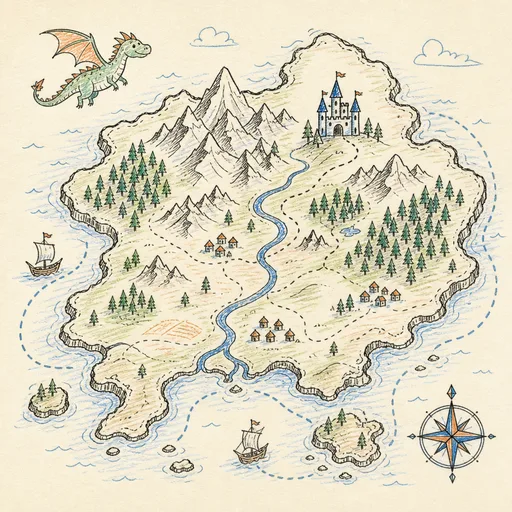
Fantasy Map Generator
Roll a seed and get a continent: coastlines, mountains, rivers, biomes and named towns, ready for your campaign.