Elementary Cellular Automata
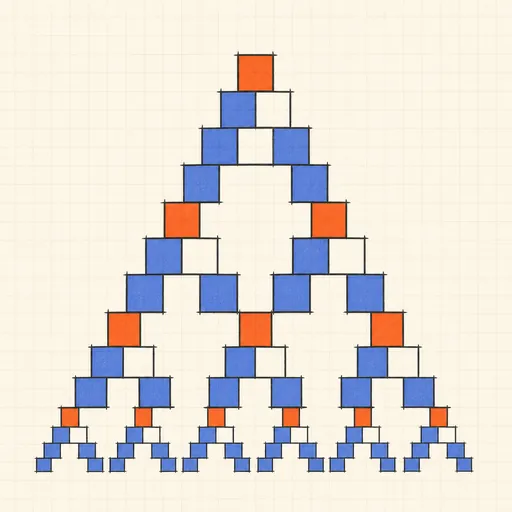
Elementary cellular automata are the simplest computers Stephen Wolfram studied: a row of black/white cells where each cell’s next state depends only on itself and its two neighbours. That gives eight input patterns and 2⁸ = 256 possible rules. Enter a rule number 0–255 (or step through with the prev/next buttons), edit the eight-cell birth table visually, choose a single-cell or random starting row, set the width and number of rows, and the tool renders the whole triangle of history as an image you can export as PNG. Presets include the chaotic rule 30, the fractal rule 90 and the Turing-complete rule 110.
Runs 100% in your browser — simulations are computed locally on your device.
Read the full guide to this tool
Notes
- Each rule is an 8-bit number: the bits say what a cell becomes for each of the eight neighbourhoods (left, centre, right).
- Rule 90 draws the Sierpiński triangle, rule 30 produces randomness used in Mathematica’s RNG, and rule 110 is proven capable of universal computation.
- Every row depends only on the row above it, so the whole image is deterministic once the rule and first row are fixed.
- Runs 100% in your browser — simulations are computed locally on your device.
Related tools
3D Geometry Board
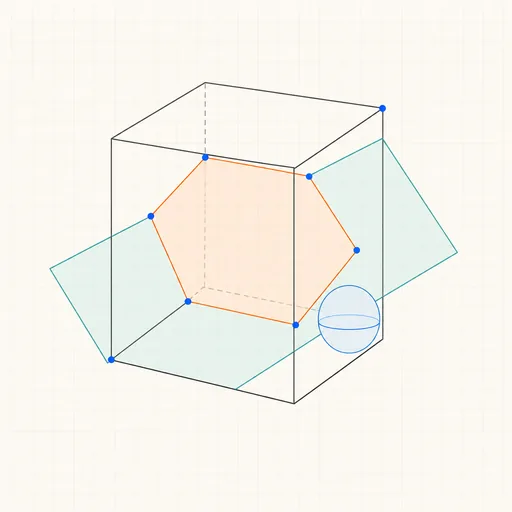
Points, lines, planes, spheres and polyhedra on an orbiting camera — slice solids with planes, unfold nets, drop the Dandelin spheres into a cone and drag everything.
Bézier Curve Playground
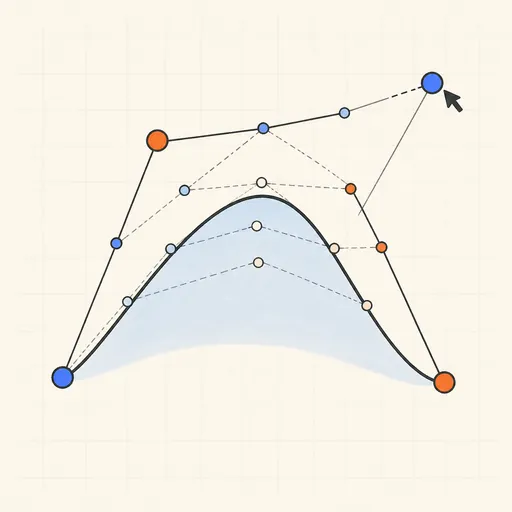
Drag control points and watch De Casteljau’s algorithm construct a Bézier curve step by step.
Central Limit Theorem Demo
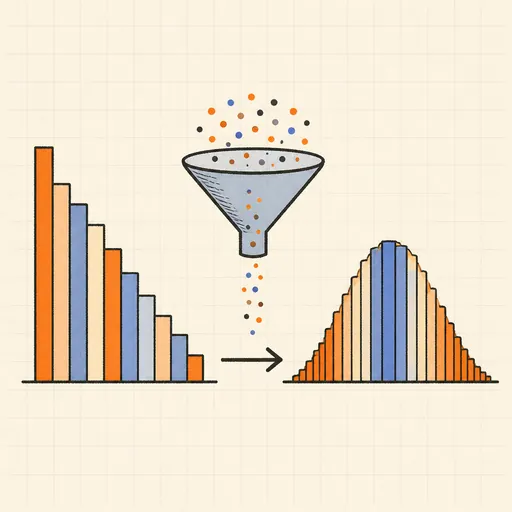
Sample from any lopsided distribution and watch the averages pile up into a bell curve.
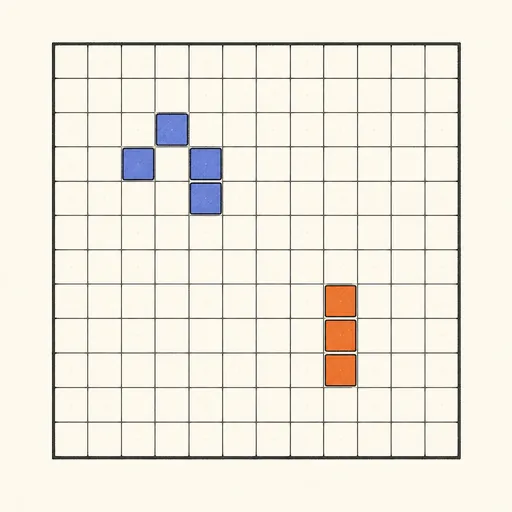
Conway’s Game of Life
Paint cells and watch Conway’s cellular automaton breed gliders, guns and oscillators.
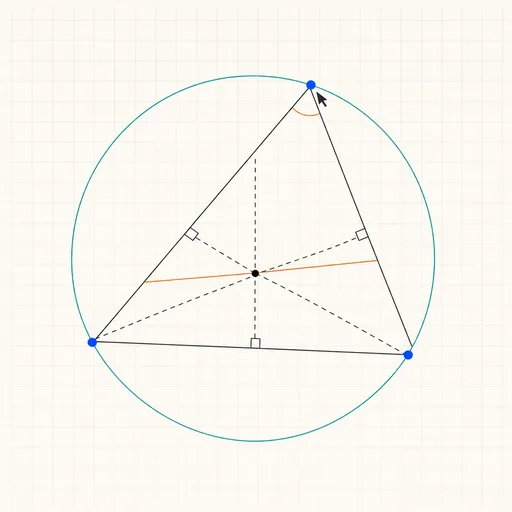
Dynamic Geometry Board
Construct with points, lines, circles and transformations, then drag anything — the construction stays true, and a checker tells you which relations are theorems.
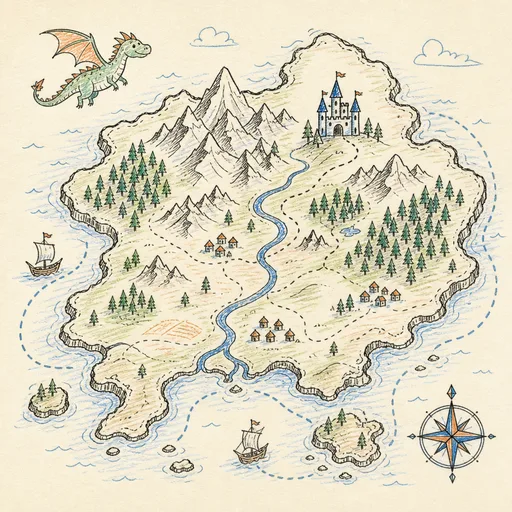
Fantasy Map Generator
Roll a seed and get a continent: coastlines, mountains, rivers, biomes and named towns, ready for your campaign.