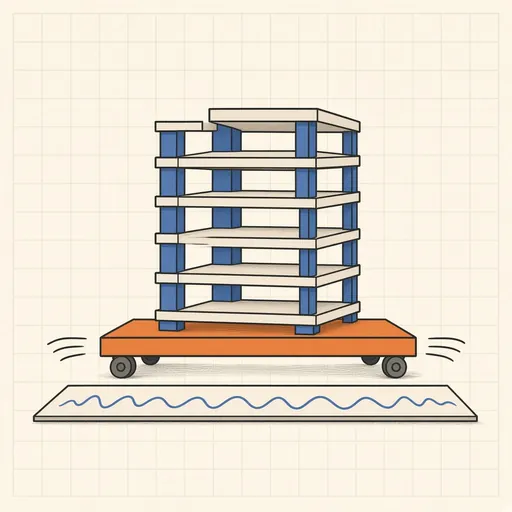
Earthquake Shake Table Simulator
A virtual shake table for buildings. Set the number of stories, the stiffness and mass of the floors and the damping, optionally weaken the ground floor into a soft story, then pick the shaking: synthetic records in the style of a moderate crustal quake, a near-fault pulse, a long subduction quake and a soft-soil basin, a resonant sine wave, or your own accelerogram from a CSV file. The building responds floor by floor, its drift coloured green, amber and red as it nears damage and collapse limits, while charts track the ground acceleration and the roof displacement. A response spectrum shows where the building’s natural period sits against the shaking, which is why some towers resonate and others ride it out. Add base isolation or a tuned mass damper at the roof and run the same quake again to compare.
Runs 100% in your browser — simulations are computed locally on your device.
Notes
- The building is a shear-frame model: one lumped mass per floor joined by story springs and Rayleigh damping, integrated with the Newmark average-acceleration method under the ground acceleration.
- A rough rule gives a building’s fundamental period as 0.1 s per story; damage concentrates when that period matches the dominant period of the shaking, which is why soft basins hurt tall buildings most.
- Base isolation lengthens the period past the energetic part of the spectrum, while a tuned mass damper is a heavy pendulum tuned to the first mode that soaks up its motion, as in Taipei 101.
- Runs 100% in your browser — simulations are computed locally on your device.
Related tools
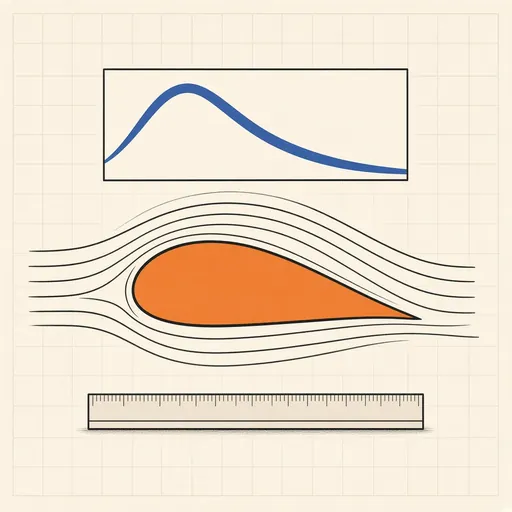
Airfoil Designer & Analyzer
Shape a NACA airfoil, see its pressure distribution and plot lift and drag polars, XFOIL-style, in the browser.
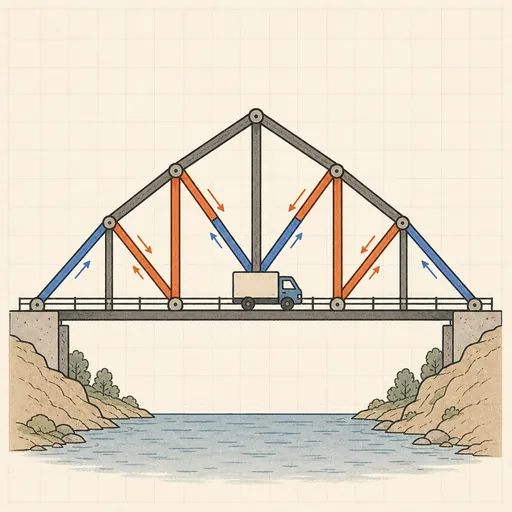
Bridge Builder & Truss Simulator
Design a truss bridge, send a truck across and watch every member strain, buckle or snap under load.
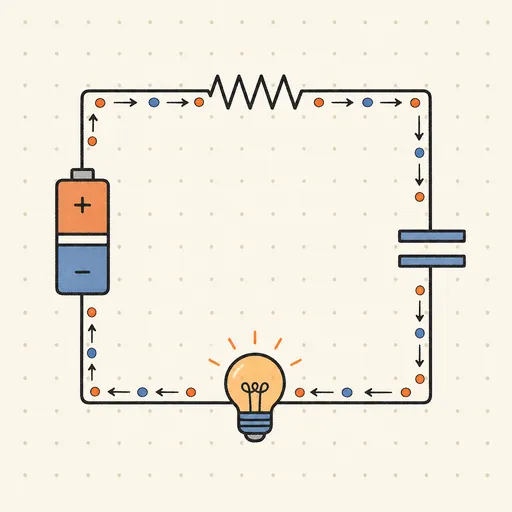
Circuit Simulator
Build analog circuits on a grid and watch current flow live — batteries, resistors, capacitors, LEDs and more.
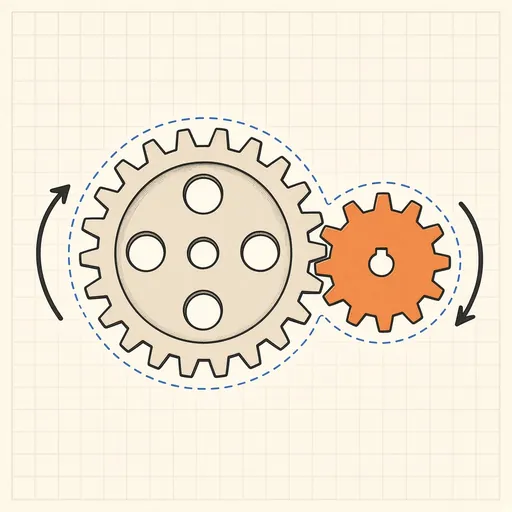
Gear Generator
Design involute spur gears, racks and planetary sets, watch them mesh and export SVG or DXF for laser cutting.
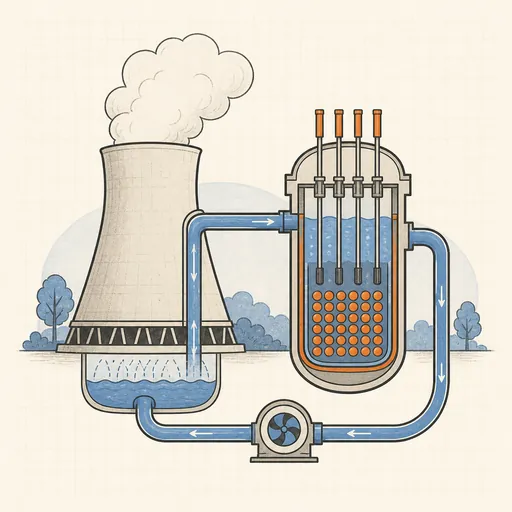
Nuclear Reactor Simulator
Run a pressurized-water reactor: pull control rods, manage xenon and temperature — or SCRAM before it overheats.
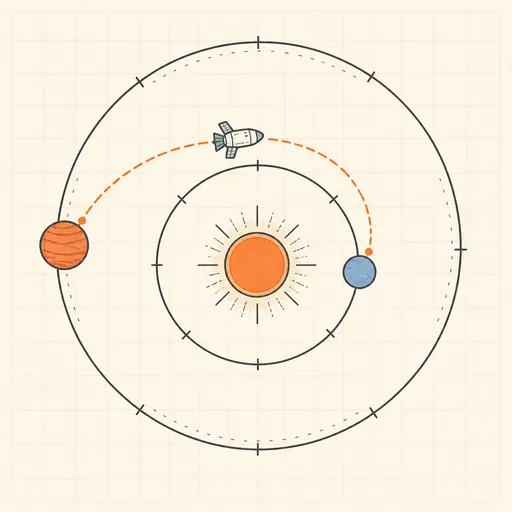
Orbital Mission Planner
Plan an interplanetary transfer: pick two planets, scan launch windows on a porkchop plot and fly the mission.