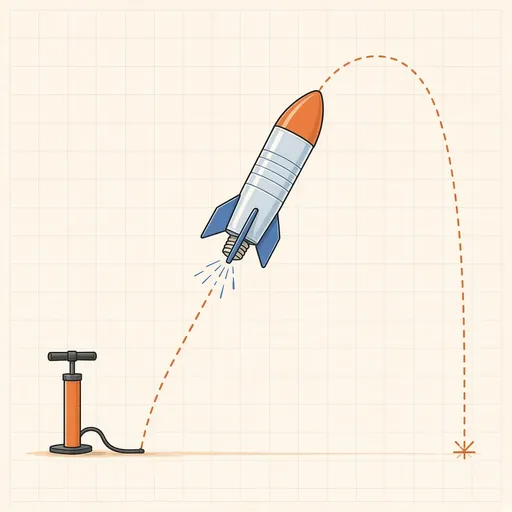
Bottle Rocket Simulator
A virtual launch pad for the classic PET-bottle water rocket. Choose the bottle, the water fill and the pressure, the nozzle, the nose cone, the fins and the empty mass, and the simulator flies it at once: the compressed air expands and drives the water out of the nozzle, a short blast of air follows, and the rocket coasts up against gravity and air drag before falling back, on a parachute if you fit one. Charts show the thrust curve of the burn, altitude and speed over the whole flight, and the apogee for every possible water fill, so the famous answer to “how much water?” appears for your own design. Tilt the launcher to shoot for distance, or take the fins off and watch it tumble.
Runs 100% in your browser — simulations are computed locally on your device.
Read the full guide to this tool
Notes
- While the water flows, the air in the bottle expands adiabatically (pV^1.4 stays constant), the water leaves at the speed v = √(2Δp/ρ) and the thrust is 2·A·Δp: twice the nozzle area times the pressure above the outside air.
- The best fill is near a third of the bottle: more water is more mass to throw, but less air to throw it with; at 60 psi, past about two thirds the air runs out before the water does.
- The model leaves out the water-hammer start, the effect of acceleration on the water column and launch tubes, so real rockets of the same design can fly 10 to 20% differently. It is still the same physics used to plan school competitions.
- Runs 100% in your browser — simulations are computed locally on your device.
Related tools
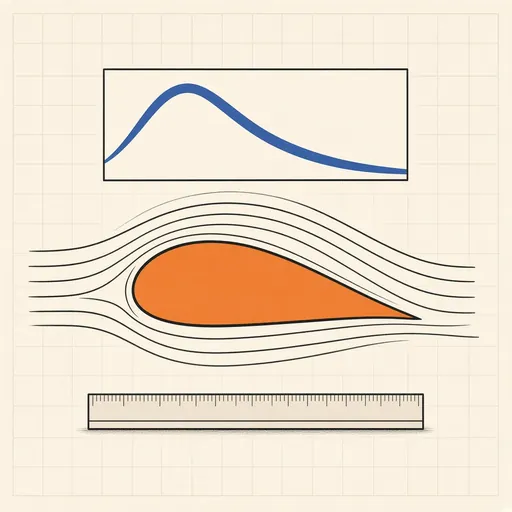
Airfoil Designer & Analyzer
Shape a NACA airfoil, see its pressure distribution and plot lift and drag polars, XFOIL-style, in the browser.
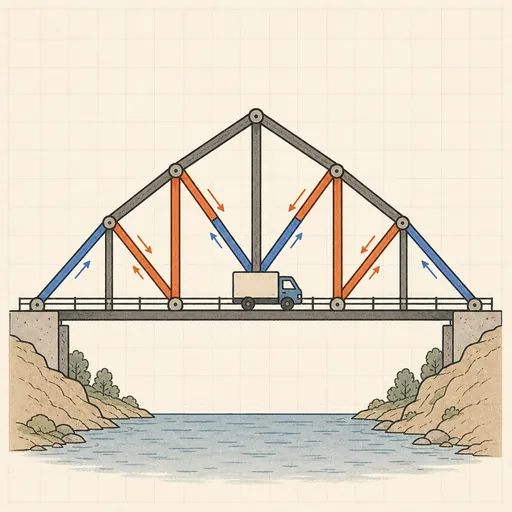
Bridge Builder & Truss Simulator
Design a truss bridge, send a truck across and watch every member strain, buckle or snap under load.
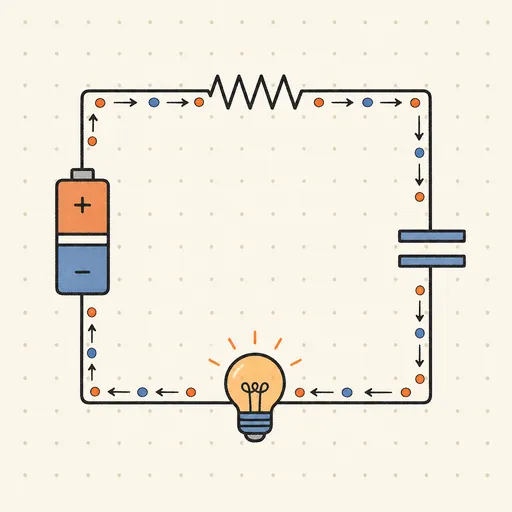
Circuit Simulator
Build analog circuits on a grid and watch current flow live — batteries, resistors, capacitors, LEDs and more.
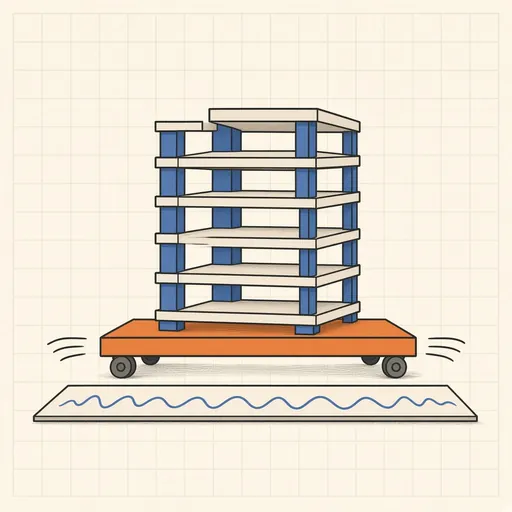
Earthquake Shake Table Simulator
Shake a multi-story building with an earthquake and watch it sway, crack or survive, with base isolation and dampers.
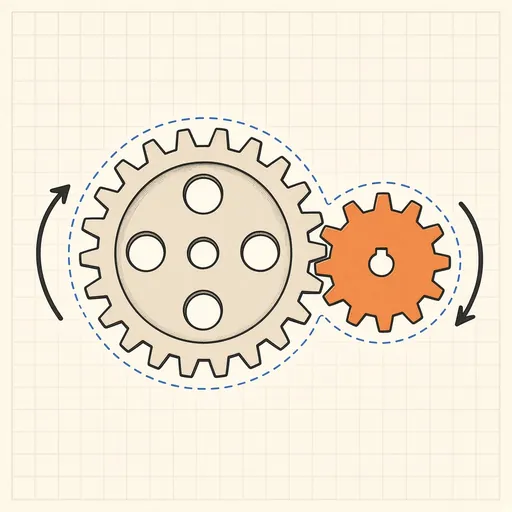
Gear Generator
Design involute spur gears, racks and planetary sets, watch them mesh and export SVG or DXF for laser cutting.
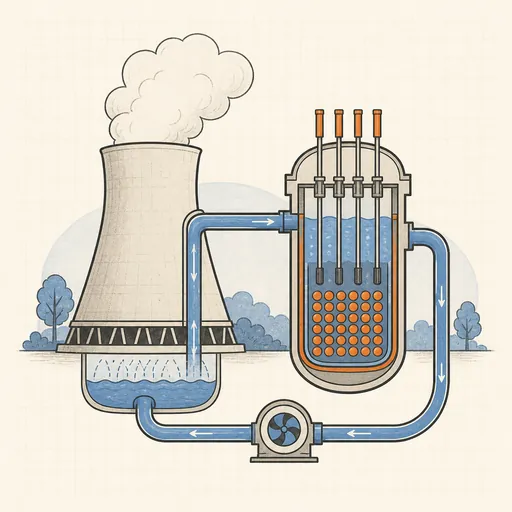
Nuclear Reactor Simulator
Run a pressurized-water reactor: pull control rods, manage xenon and temperature — or SCRAM before it overheats.