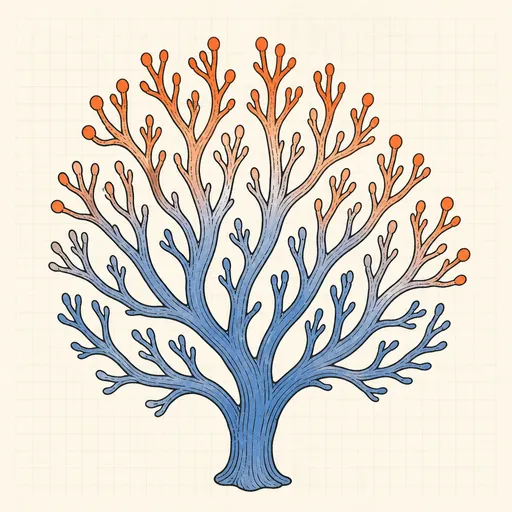
Collatz Orbits
The Collatz conjecture is the simplest unsolved problem in mathematics: take any positive integer, halve it if even or triple-plus-one if odd, and repeat; it always seems to reach 1, but no one has proved it must. This tool shows the conjecture two ways. Enter a number and watch its hailstone sequence bounce up and down before crashing to 1, plotted as it goes. Or grow the Collatz tree: draw the path of every number as a line that turns one way on an even step and the other on an odd step, and thousands of overlaid paths bloom into an organic, coral-like or tree-like structure.
Runs 100% in your browser — simulations are computed locally on your device.
Read the full guide to this tool
Notes
- The rule is n → n/2 when even, n → 3n+1 when odd; sequences can soar far above the starting number (27 climbs past 9000) before eventually falling to 1.
- Every number tested — into the quintillions — reaches 1, yet there is no proof it always does, which is why the conjecture remains open.
- Drawing each step as a small turn turns the boring number sequences into a branching plant: shared tails of the sequences overlap into a trunk, and the many paths fan out as branches.
- Runs 100% in your browser — simulations are computed locally on your device.
Related tools
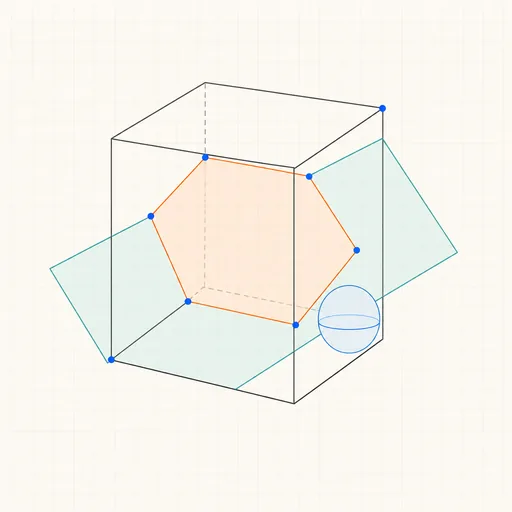
3D Geometry Board
Points, lines, planes, spheres and polyhedra on an orbiting camera — slice solids with planes, unfold nets, drop the Dandelin spheres into a cone and drag everything.
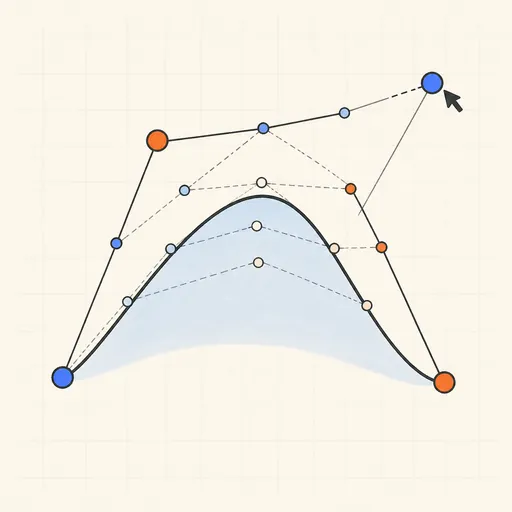
Bézier Curve Playground
Drag control points and watch De Casteljau’s algorithm construct a Bézier curve step by step.
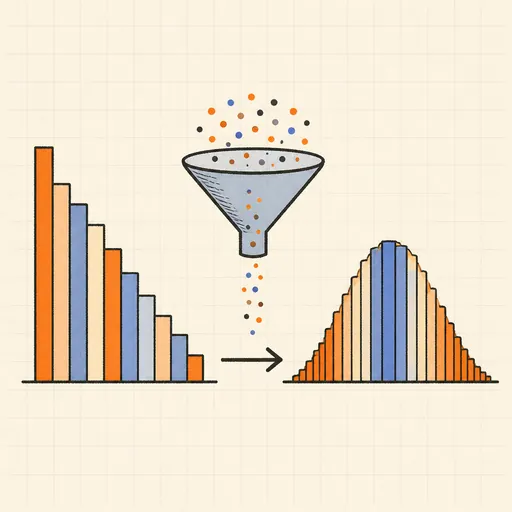
Central Limit Theorem Demo
Sample from any lopsided distribution and watch the averages pile up into a bell curve.
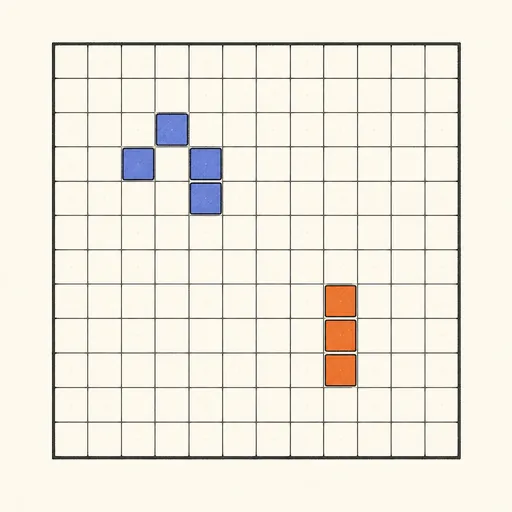
Conway’s Game of Life
Paint cells and watch Conway’s cellular automaton breed gliders, guns and oscillators.
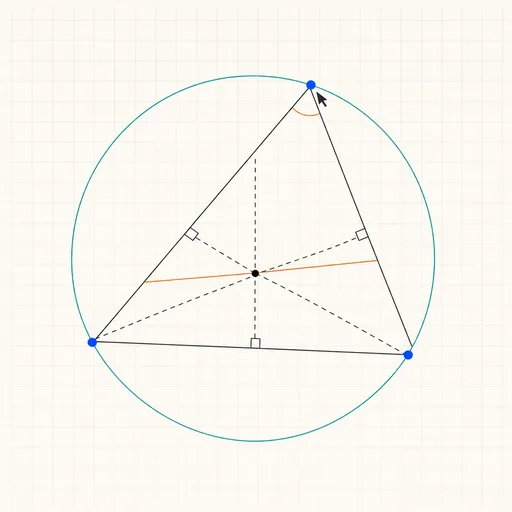
Dynamic Geometry Board
Construct with points, lines, circles and transformations, then drag anything — the construction stays true, and a checker tells you which relations are theorems.
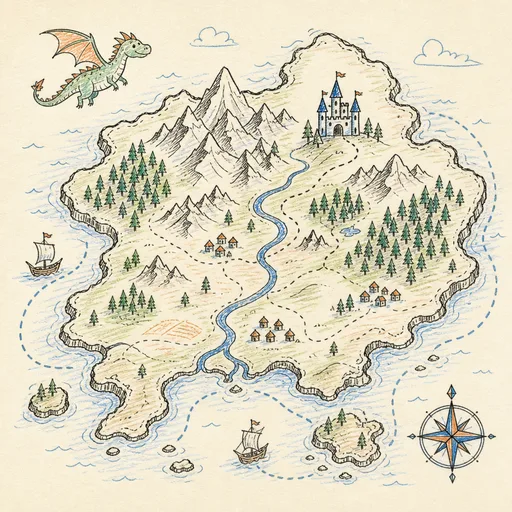
Fantasy Map Generator
Roll a seed and get a continent: coastlines, mountains, rivers, biomes and named towns, ready for your campaign.