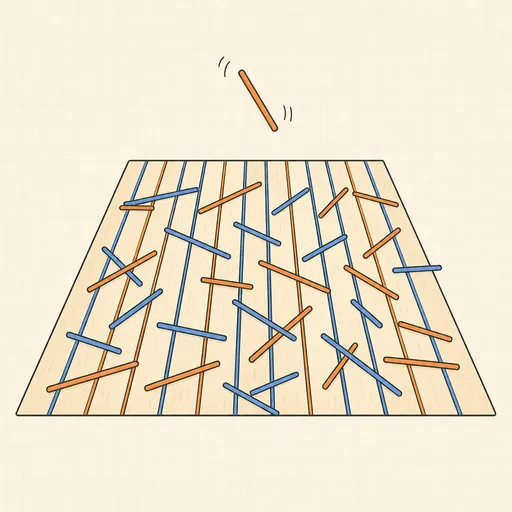
Buffon’s Needle
Buffon’s needle is the classic 18th-century experiment that estimates π by throwing needles onto a floor of equally spaced parallel lines. The chance a needle crosses a line depends on π, so counting crossings gives an estimate back: with needle length L and line spacing t (L ≤ t), the crossing probability is 2L/(πt), and rearranging turns the observed crossing rate into an estimate of π. This simulator rains needles down, colours the ones that cross a line, and plots the running estimate converging on 3.14159 as the throws pile up.
Runs 100% in your browser — simulations are computed locally on your device.
Read the full guide to this tool
Notes
- A needle of length L on lines spaced t apart crosses with probability 2L/(πt) when L ≤ t.
- Inverting that gives π ≈ 2L·N / (t·C) for N throws and C crossings — a Monte Carlo estimate of π.
- Convergence is slow: the error shrinks like 1/√N, so ten times more needles only cut the error by about a third.
- Runs 100% in your browser — simulations are computed locally on your device.
Related tools
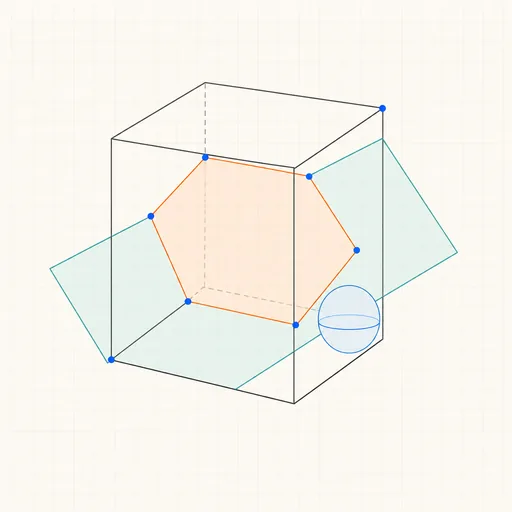
3D Geometry Board
Points, lines, planes, spheres and polyhedra on an orbiting camera — slice solids with planes, unfold nets, drop the Dandelin spheres into a cone and drag everything.
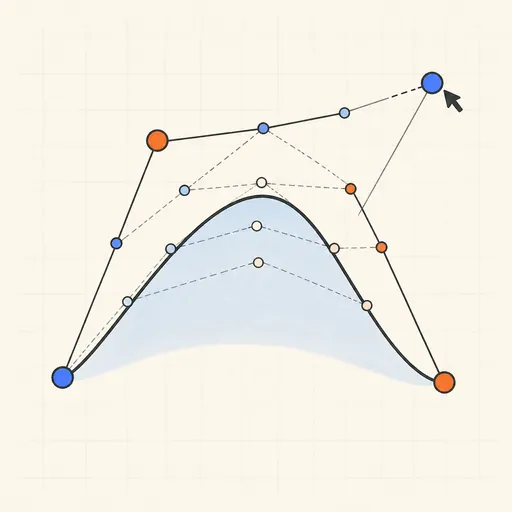
Bézier Curve Playground
Drag control points and watch De Casteljau’s algorithm construct a Bézier curve step by step.
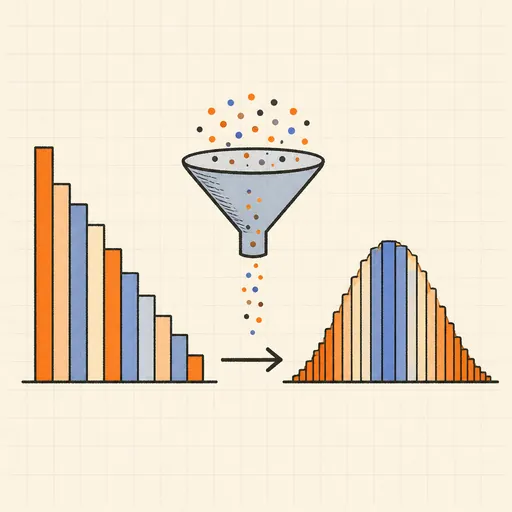
Central Limit Theorem Demo
Sample from any lopsided distribution and watch the averages pile up into a bell curve.
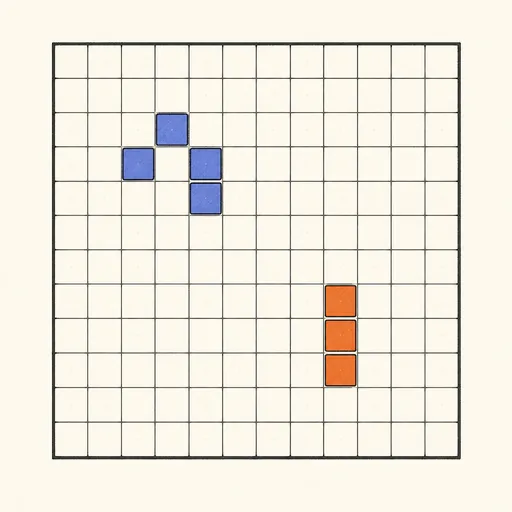
Conway’s Game of Life
Paint cells and watch Conway’s cellular automaton breed gliders, guns and oscillators.
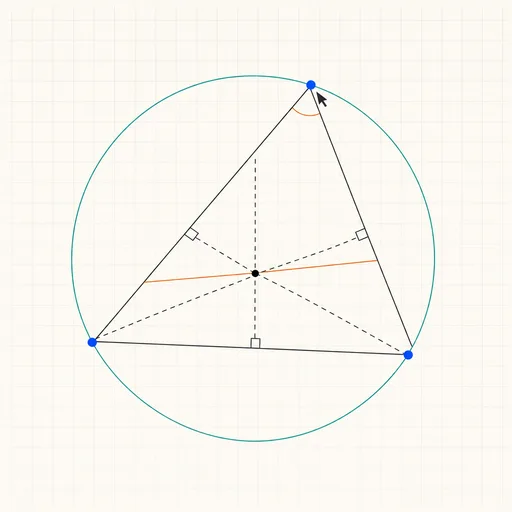
Dynamic Geometry Board
Construct with points, lines, circles and transformations, then drag anything — the construction stays true, and a checker tells you which relations are theorems.

Fantasy Map Generator
Roll a seed and get a continent: coastlines, mountains, rivers, biomes and named towns, ready for your campaign.