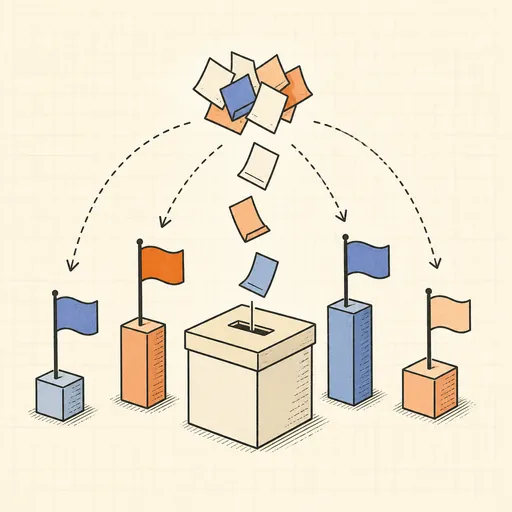
Voting Methods Lab
The same voters, the same candidates — and the winner depends on the counting rule. Drag candidates and clusters of voters around a 2D opinion map and the lab recounts the election live under plurality, instant-runoff, Borda, Condorcet and approval voting, flagging every disagreement. Paint the famous Yee diagram — color every point of the map by who would win if public opinion centred there — and watch plurality carve out bizarre non-convex regions where moving a candidate toward the voters makes them lose. A spoiler-effect demo splits a majority between two similar candidates, and a ballot mode counts your own pasted ranked ballots with full instant-runoff rounds and the complete pairwise matrix.
Runs 100% in your browser — simulations are computed locally on your device.
Read the full guide to this tool
Notes
- Voters here are spatial: each prefers candidates closer to them on the opinion map, the standard model in social-choice theory — rankings fall out of distance, and every method counts the same rankings.
- Yee diagrams (Ka-Ping Yee, 2006) expose method pathologies at a glance: under a sane method every candidate’s win region contains the candidate; plurality and runoff routinely violate this.
- Arrow’s impossibility theorem guarantees no ranked method is flawless — every one on the map fails some fairness criterion; the lab makes you watch it happen.
- In ballot mode the counts are exact: instant-runoff shows every elimination round, and when no Condorcet winner exists the majority cycle (A beats B beats C beats A) is listed explicitly.
- Runs 100% in your browser — simulations are computed locally on your device.
Related tools
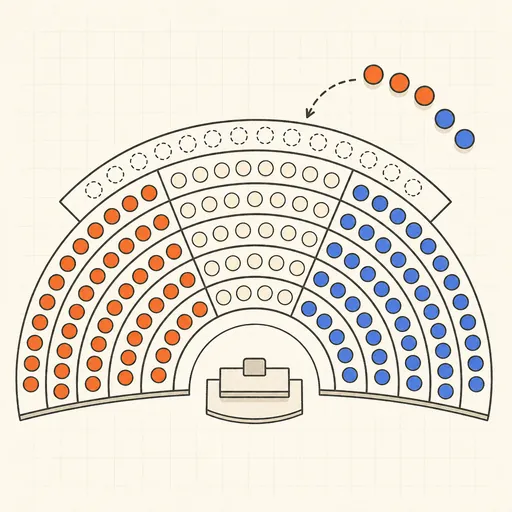
Seat Apportionment Calculator
D'Hondt, Sainte-Laguë and largest remainder, side by side.
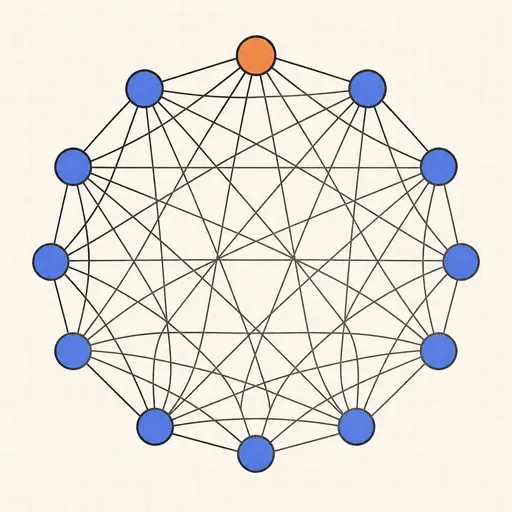
Round-Robin Schedule Generator
Everyone plays everyone: fixtures by the circle method, byes included.
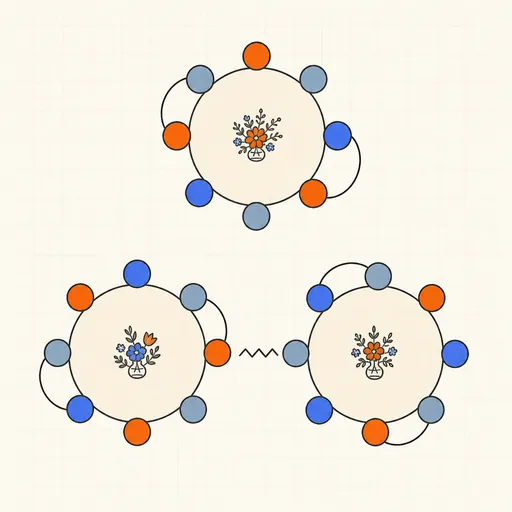
Seating Chart Optimizer
Assign guests to tables around keep-together and keep-apart rules.
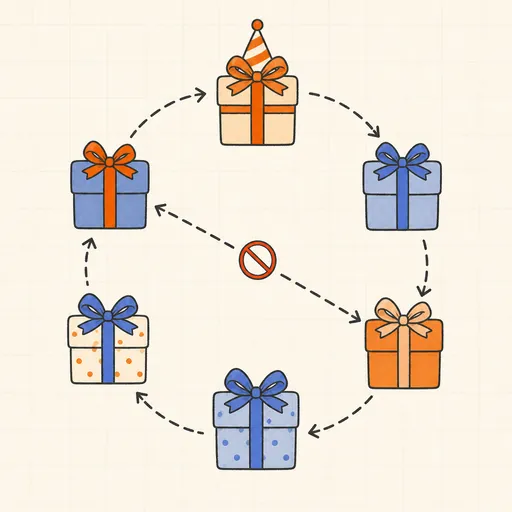
Secret Santa Generator
Draw gift-exchange pairs with exclusions, no self-draws guaranteed.
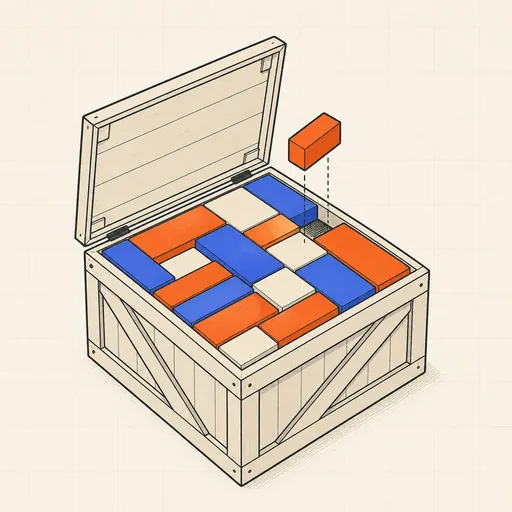
Box & Bin Packing Calculator
How many boxes, bins or trucks? First-fit-decreasing packing by capacity or 3D size.
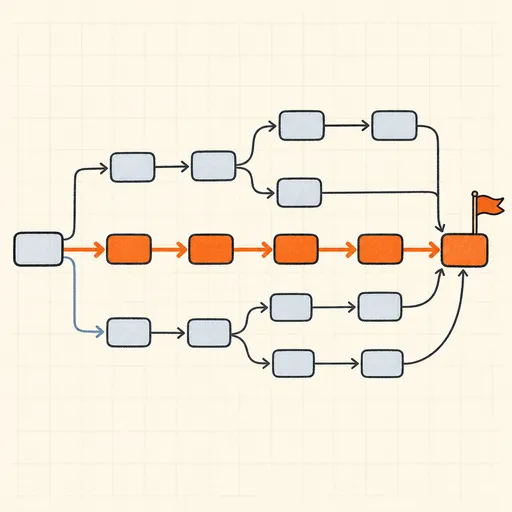
Critical Path (CPM/PERT) Calculator
Which tasks actually set the deadline — schedule, slack and critical path from a task list.