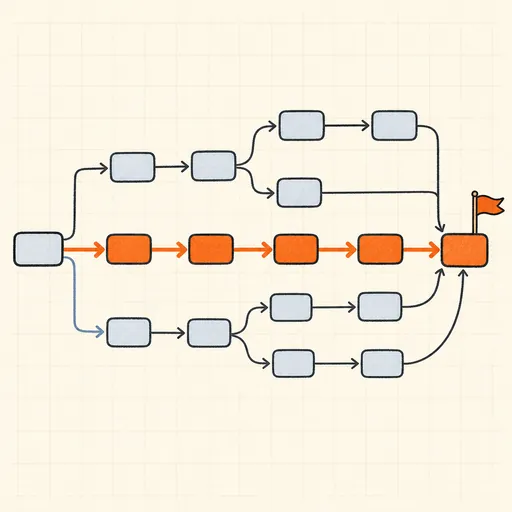
Critical Path (CPM/PERT) Calculator
Runs the classic Critical Path Method on a plain-text task list: forward and backward passes give every task its earliest/latest start and finish, its slack, and the critical path — the chain of tasks where any delay delays the whole project. Tasks with slack can slip without hurting the deadline; critical tasks cannot. Switch to PERT mode to enter three-point estimates (optimistic-likely-pessimistic like "2-4-8"): the tool computes expected durations, the variance along the critical path, and the probability of finishing within a target duration under the standard normal approximation.
Read the full guide to this tool
Results
Notes
- The critical path is where management attention belongs: compressing a task with slack buys you nothing, while every day saved on a critical task moves the whole project — until a parallel path becomes critical instead.
- Slack (float) is the honest answer to "can this wait?": a task with 3 days of slack can start 3 days late without moving the deadline; a critical task has zero.
- PERT expected duration is (optimistic + 4×likely + pessimistic) / 6, and the finish-probability uses a normal approximation with the variances summed along the critical path — a decent approximation when the path has several independent tasks, optimistic when paths are nearly tied.
- Cycles in the dependencies are detected and reported, not silently ignored.
Related tools
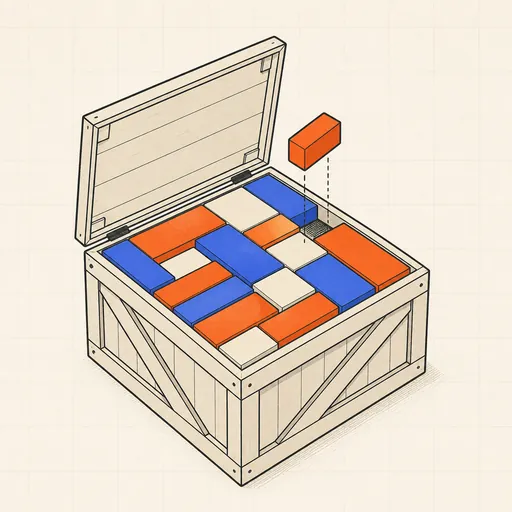
Box & Bin Packing Calculator
How many boxes, bins or trucks? First-fit-decreasing packing by capacity or 3D size.
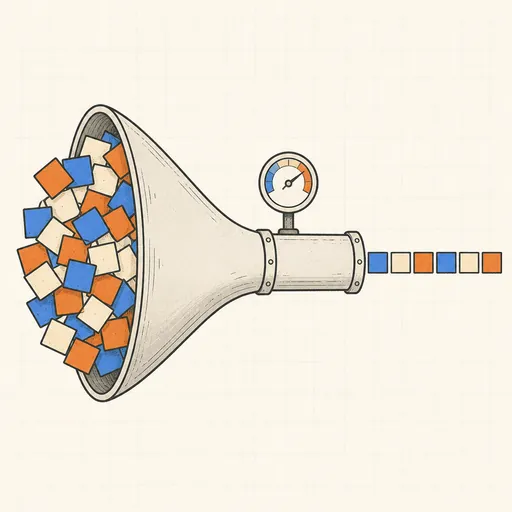
WIP Limits & Little’s Law Simulator
Watch a kanban board run: raise the WIP limit and see cycle time explode while throughput stalls.
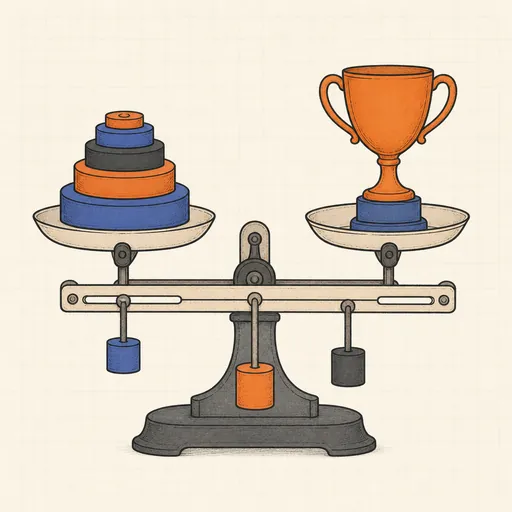
Weighted Decision Matrix
Score your options against weighted criteria — with a sensitivity check on the winner.
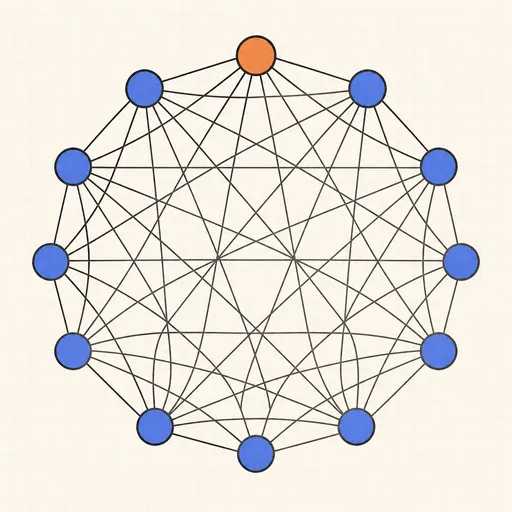
Round-Robin Schedule Generator
Everyone plays everyone: fixtures by the circle method, byes included.
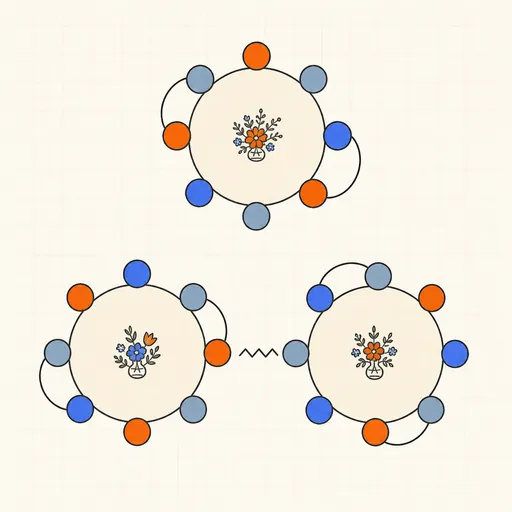
Seating Chart Optimizer
Assign guests to tables around keep-together and keep-apart rules.
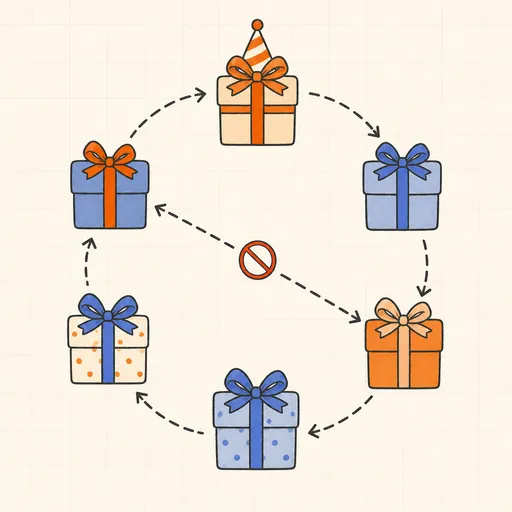
Secret Santa Generator
Draw gift-exchange pairs with exclusions, no self-draws guaranteed.