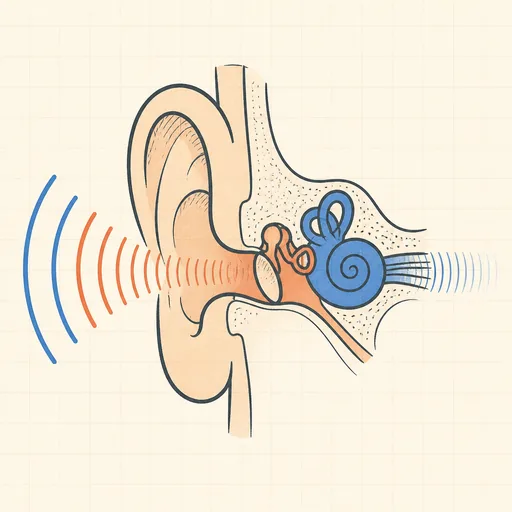
Hearing Frequency Test
Human hearing tops out near 20 kHz in childhood and drifts downward every decade — a process called presbycusis that starts at the highest frequencies. This test uses your device’s audio to find your personal ceiling: tones step upward from 8 kHz and you answer "I hear it" or "I can’t" until the limit is bracketed, with a free-play frequency slider for exploring. A reference table shows typical limits by age so you can place your result. A second mode runs an audiogram-style check across the octave bands from 125 Hz to 8 kHz: for each band you lower the level until the tone is barely audible, and the result is plotted as your relative threshold profile. Audio starts only after you click, and a volume warning comes first — start quiet.
Runs 100% in your browser — your puzzles never leave your device.
Read the full guide to this tool
Notes
- Start at a low volume: high-frequency tones can be unpleasant at full level, and a blasting start also skews results by temporarily desensitizing your ears. Headphones give much more reliable results than laptop speakers.
- Hardware is a hard ceiling: many speakers and some headphones roll off above 15-17 kHz, and Bluetooth codecs can cut high frequencies — an "I can’t hear it" may be your gear, not your ears.
- This is a rough self-check, not audiometry: a real audiogram uses calibrated equipment in a sound booth. If you suspect hearing loss, see an audiologist.
- Runs 100% in your browser — your words and puzzles never leave your device.
Related tools
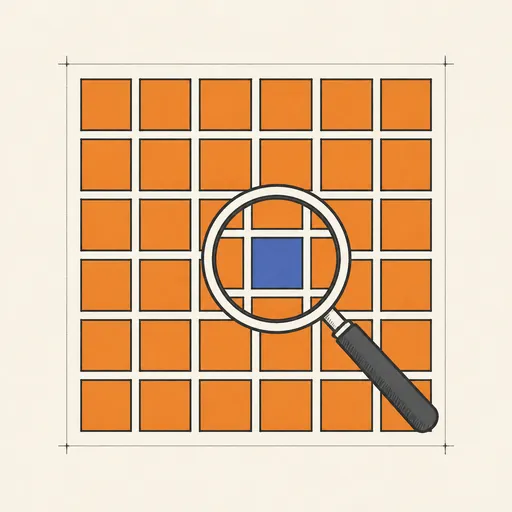
Color Discrimination Test
Spot the one tile with a slightly different color — the difference shrinks every time you get it right.
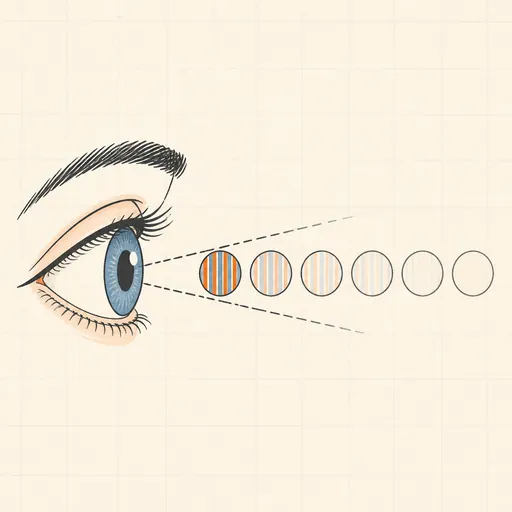
Contrast Sensitivity Test
How faint a pattern can you still see? A staircase test that estimates your contrast threshold.
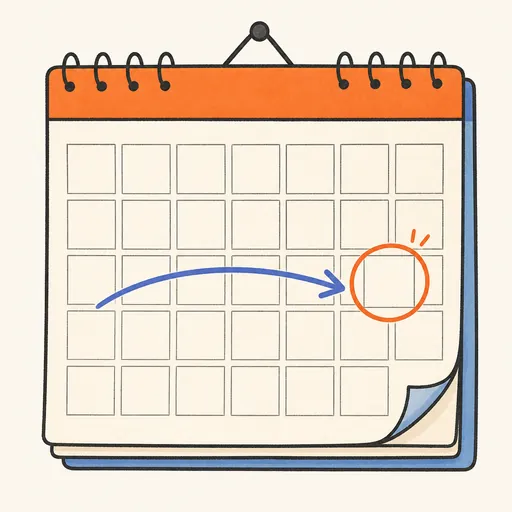
Doomsday Weekday Trainer
Learn to name the weekday of any date in your head with the Doomsday algorithm — then drill it.
Mental Math Trainer
Timed arithmetic drills with streaks, accuracy and a per-operation breakdown — keyboard or keypad.
N-Back Working Memory Test
The dual N-back task from working-memory research: match positions and letters N steps back.
Reaction Time Test
Click the instant the panel turns green — five tries, your average and best in milliseconds.