
IEEE-754 Floating Point Explorer
Dissects any number into its IEEE-754 binary representation — float64 and float32 side by side — with every bit as a clickable box: flip one and watch both precisions update. Enter a decimal or hex bit pattern either way. Each panel shows classification (normal, subnormal, zero, infinity, NaN), the exact stored decimal computed with big-integer arithmetic, ULP gap, and adjacent representable neighbors on a number line. Presets walk through 0.1+0.2, 2⁵³, MAX_SAFE_INTEGER, machine epsilon, subnormals, ±0, ±Infinity and NaN payloads. An optional FP16 / bfloat16 row shows how ML formats truncate the same value.
Runs 100% in your browser — nothing you paste leaves your device.
Read the full guide to this tool
Notes
- 0.1 + 0.2 ≠ 0.3 because none of the three numbers is representable in binary: the two rounding errors in the operands do not cancel the rounding of 0.3.
- Above 2⁵³ a float64 cannot represent every integer: 2⁵³ + 1 rounds back to 2⁵³ — the reason JavaScript has Number.MAX_SAFE_INTEGER and BigInt.
- Subnormal numbers fill the gap between zero and the smallest normal float by sacrificing precision — and are often 10-100× slower in hardware.
- The gap between adjacent floats (1 ULP) grows with magnitude: near 1 it is 2.2×10⁻¹⁶, near 2⁵³ it is exactly 1.0.
- Runs 100% in your browser — nothing you paste leaves your device.
Related tools

Bloom Filter Playground
Add items, watch bits light up, measure the false positive rate.
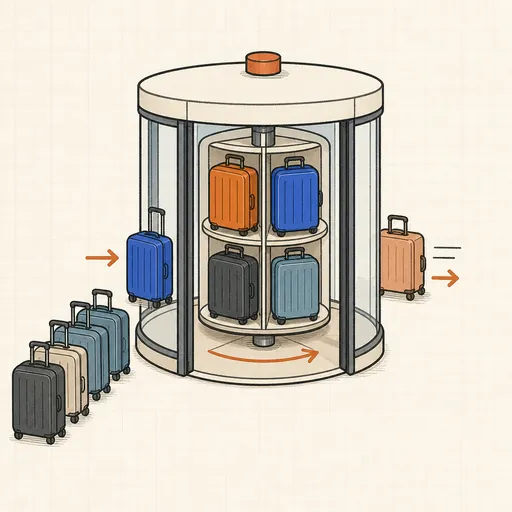
Cache Replacement Simulator
Animate FIFO, LRU, LFU, CLOCK, ARC and Bélády's OPT on any access sequence.
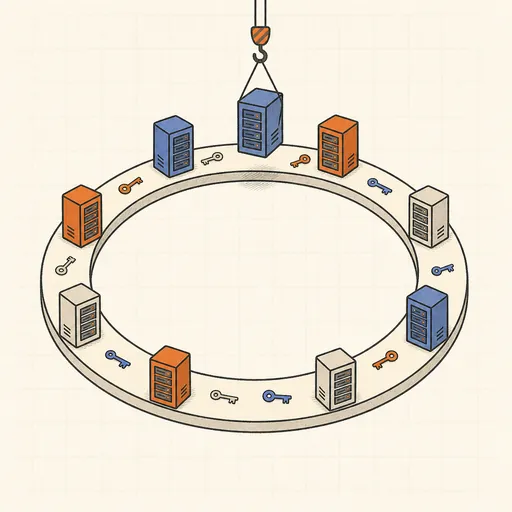
Consistent Hashing Ring
See why adding a server moves 1/N of the keys, not all of them.

Data Structure Visualizer
Watch BST, AVL, red-black trees, heaps, hash tables, tries and union-find work, step by step.
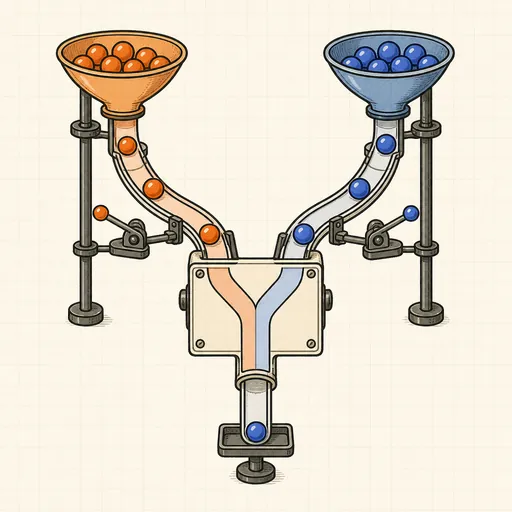
Digital Logic Gate Simulator
Build circuits from gates and flip-flops, wire them up, and watch the signals flow live.
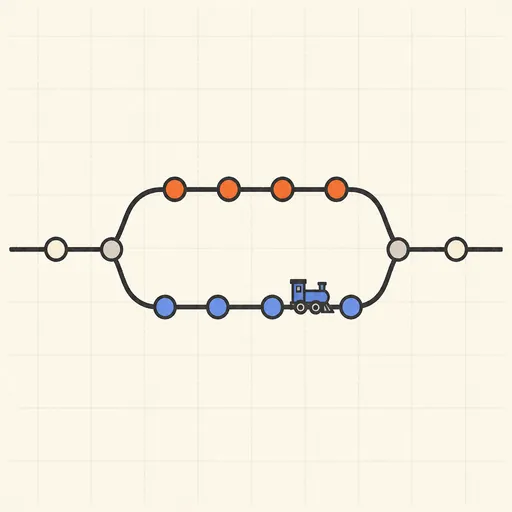
Git Branching Sandbox
Type git commands and watch the commit DAG, branches and HEAD move — with levels, remotes, undo, and merge-vs-rebase contrast.